

the robot doesn’t see the adverts

imagine losing half a trillion dollars in a day.
a friend’s messages started arriving mid-morning, while alphabet was falling through the floor. google is cooked, he wrote, because ai agents won’t use it. later that day came the size of the damage, which he reckoned was bigger than belgium’s economy. well, almost. then, just before i fell asleep, he delivered two verdicts within six minutes of each other. google is blockbuster video, said the first. if it stops spending on ai, it’s just a digital tobacco stock, said the second. holy fuck, i thought, both can’t be right, and the gap between them matters more than anything in the next quarterly guidance, because
blockbuster went to zero and tobacco made its owners rich.
google’s search machine is simpler than its valuation suggests, and most people who use it forty times a day have never stopped to even think about it. you type a question and google hands back a page of answers, with advertisements mixed among them. businesses pay to put themselves in front of you, often each time you click. that arrangement brought in $63bn in the three months to september, roughly half of everything alphabet earned, down from 55% a year earlier.
but note what is happening: the advertiser is buying a human being glancing at a screen, half distracted, tempted by something he didn’t come for. online advertising is the business of interrupting busy people, and google became the best interrupter in history.
the first possible crack showed in wednesday’s results, wrapped in earnings-call english about lower monetisation. ai mode, google’s new way of searching, writes the answer itself rather than simply handing you a list of links, and those links have long been where much of the advertising money was made. google’s chief business officer admitted that ai mode searches currently earn less than the traditional kind. in the same breath the company boasted that people are asking more questions than at any time in five years. put those two statements side by side and you have the most interesting contradiction in the whole report: more questions, but less money from each of the newer questions. the next day the shares fell 13%, an extraordinary dollar loss exceeded by only a handful of the largest market collapses.
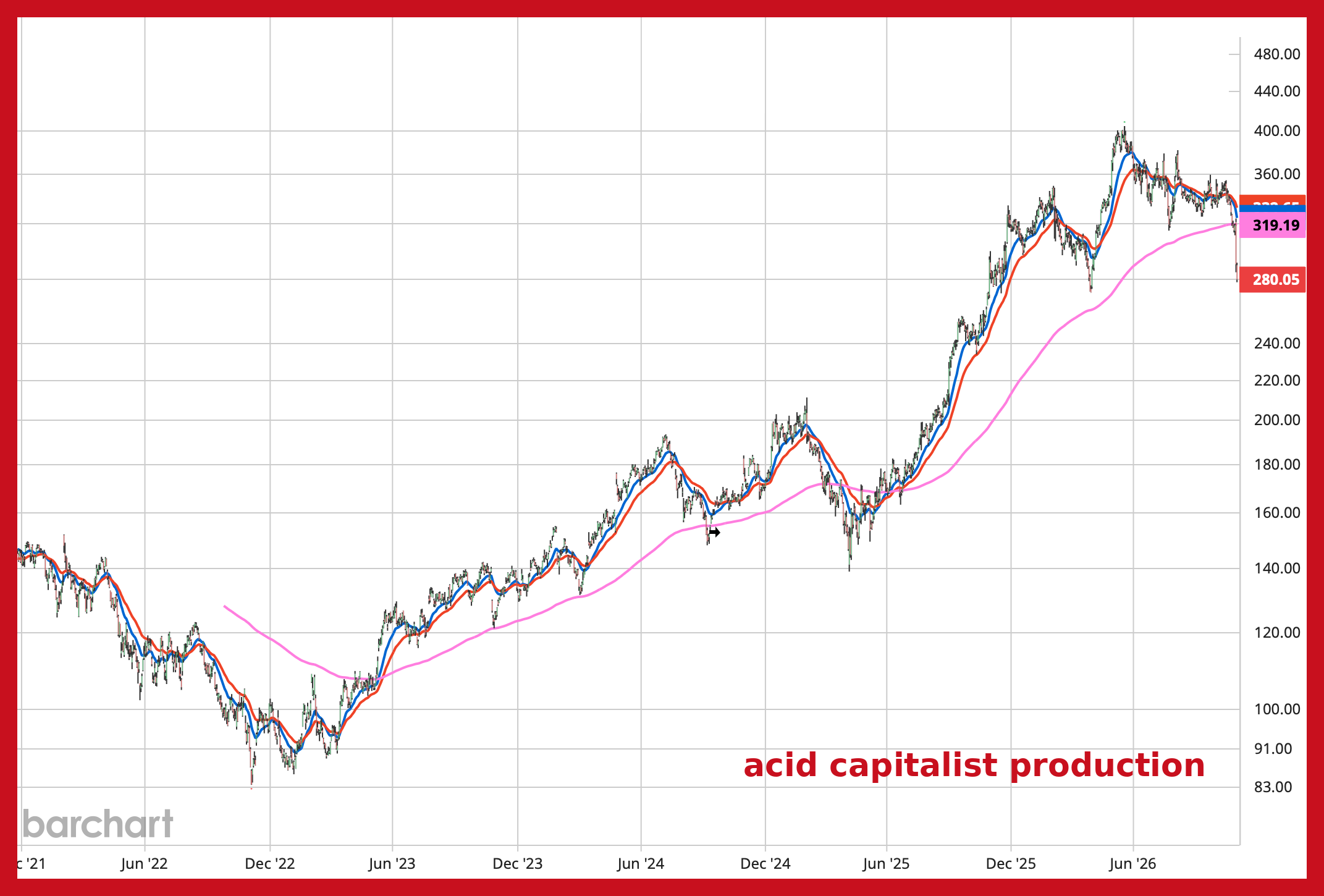
the second crack is bigger, and it’s called an agent. an agent is ai that acts on your behalf rather than simply answering. you tell it to find the cheapest plane seat to lisbon next friday for under £200 and book it. it can read a few hundred pages in the time it takes you to find your sunglasses, compare the fares and, with your permission, make the booking. it sees the adverts along the way but has no reason to be tempted by any of them. the advertising trade already has a phrase for this: agents don’t scroll.
a business built on distraction has met a customer who can’t be distracted.
that’s why agents feel no affection for google, and why that should worry its owners more than any rival model. everything google spent 25 years building, the homepage and the reflex of saying “just google it”, is a form of loyalty, and software has none. an agent goes wherever the answer is quickest and most reliable, which may mean straight to the airline or the shop. new plumbing is being laid to let agents talk to retailers directly, with openai and stripe behind one version and google, shopify, visa and mastercard behind another. google is helping to build the road around its own toll booth, because if it refused, somebody else would build it anyway.
the incumbent understands the threat perfectly well. it just happens to own the business the future wants to take apart.
chrome tells the same story from another angle. about two thirds of the world looks at the internet through google’s browser, which sounds unassailable until you remember that windows are for eyes. an agent can read a web page without ever drawing it on a screen, and it needn’t ask google where to go next. openai and perplexity have built browsers of their own, while anthropic has developed an assistant that operates inside chrome itself. google could retain its dominance of the browser market while losing control of the decisions made through it.
google still owns the window. but fewer of the faces pressed against the glass are human.
gemini, google’s own assistant, carries a subtler handicap. would you hire a personal shopper who’s paid commission by the shops? that’s the awkward question hanging over every agent google builds. gemini is serious technology, and google says its newest models have closed the gap on the leaders. in fairness, a subscription is no certificate of innocence, and every rival has commercial interests of its own. none of them, though, has an advertising business as large as google’s to defend. the better google’s agent gets at working for you, the harder it may work against its own parent. and i wonder whether alphabet will ever reconcile that.
the incumbents’ first instinct is to lock the doors. last november amazon sued perplexity under america’s anti-hacking law, claiming its comet browser was slipping into customers’ accounts to shop for them, and doing it in disguise: comet told amazon’s servers it was plain old google chrome. buried in the complaint was another grievance. advertisers pay amazon for human eyes, and the agent has little reason to look at the sponsored products. a judge sided with amazon in march. in august the appeals court threw out the injunction 3-0, reasoning that it was the customer accessing amazon, merely “with the help of the assistant”, and warning that amazon’s argument could expose its own shoppers to criminal liability. the case isn’t over, but the question is extraordinary. if a machine shops on your behalf, can the shop insist that you look at its advertisements?